How chewing works on plaque and tartar
A teeth-cleaning chew works mechanically: when the dog chews, the chewing surface itself scrapes the soft plaque off the teeth before it has a chance to mineralise and turn into hard tartar. Plaque is the sticky film of bacteria that settles on the teeth over the course of a few days. If it is left to sit, it hardens into tartar, and tartar can only be removed by a professional dental cleaning at the vet, often under anaesthesia.
Chewing helps most on the large teeth at the back of the mouth, where the dog actually bites through. It also increases saliva production, and saliva naturally washes bacteria away. That is why a chew works to prevent bad breath: the smell comes from the bacteria, not from the stomach.
A chew does not completely replace toothbrushing, because the brush reaches in along the gumline, where chewing does not reach. But as a daily supplement, or as a realistic alternative for the dog that refuses to have its teeth brushed, regular chewing makes a noticeable difference. If you want to combine the two, you can read more in our guide on how to brush a dog's teeth.
Dried fish or dried meat for teeth cleaning
This collection is built around two kinds of natural chew items, and they tackle the job in slightly different ways.
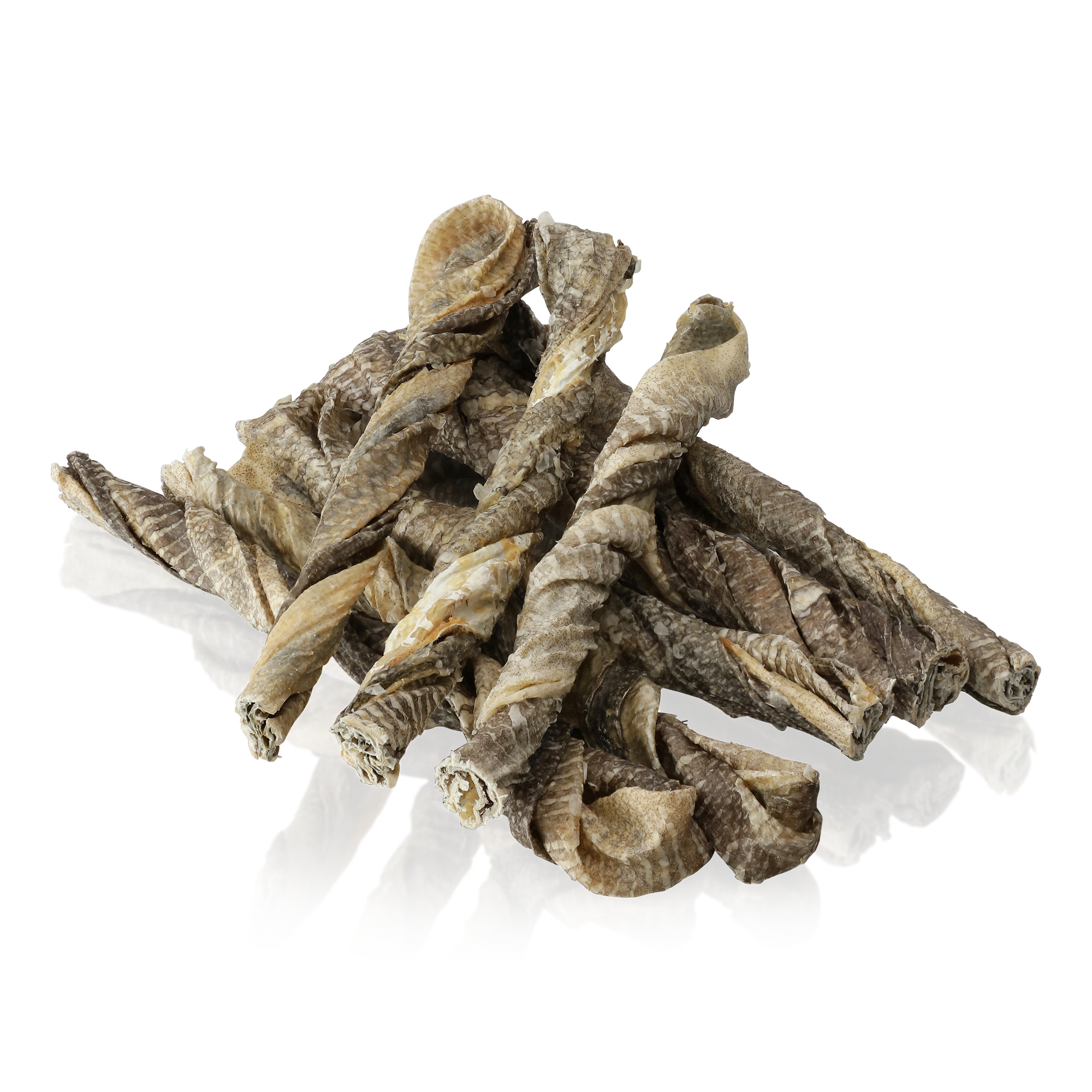
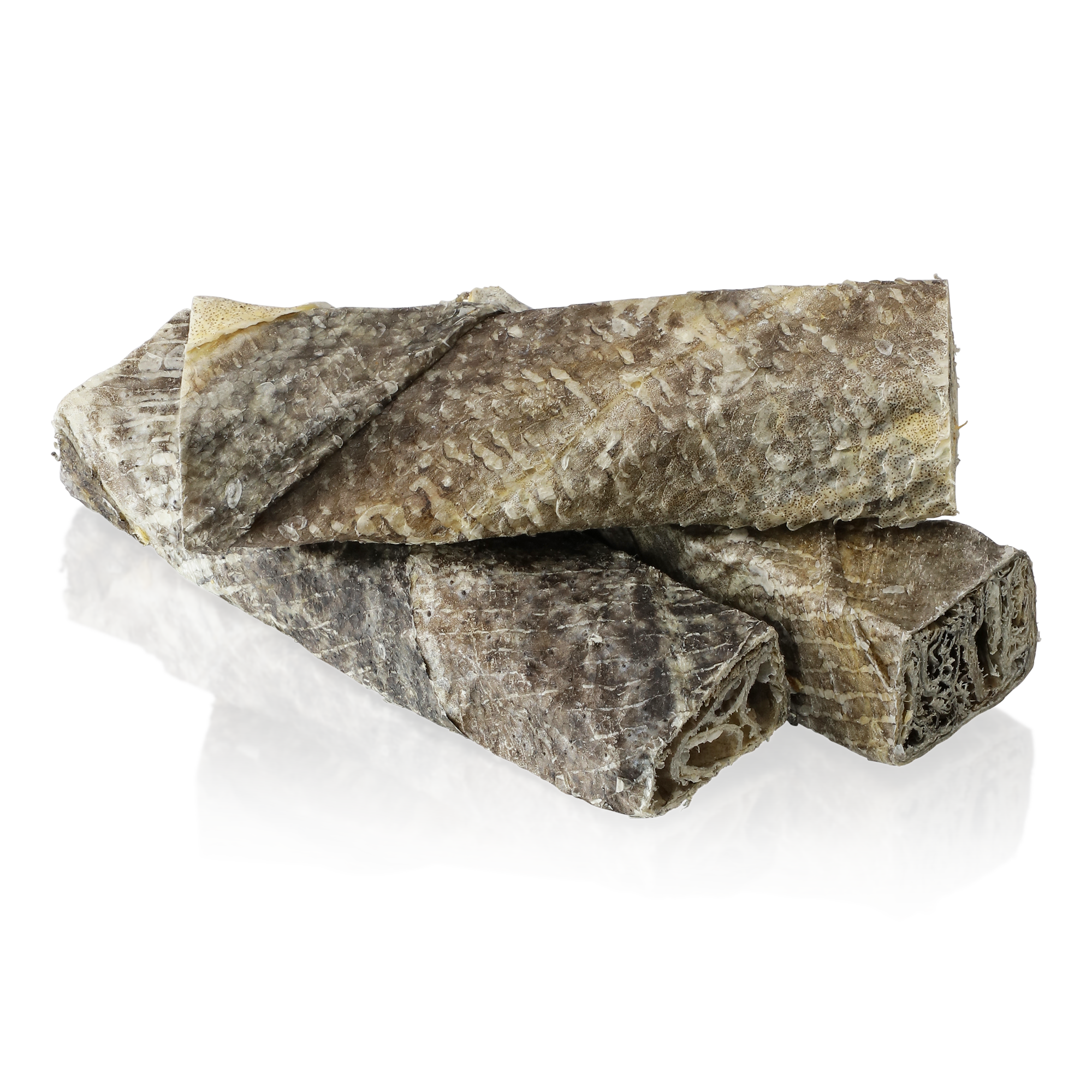
The dried fish products are made from whole cod or cod skin from the North Sea. LARGE COD FISH DELIGHTS and SMALL COD FISH DELIGHTS are crispy sticks of dried cod, while NORTH SEA CHEWY FISH DELIGHTS are chewier and require longer chewing. Fish has the advantage of being lean and providing omega 3 on top of the dental care.
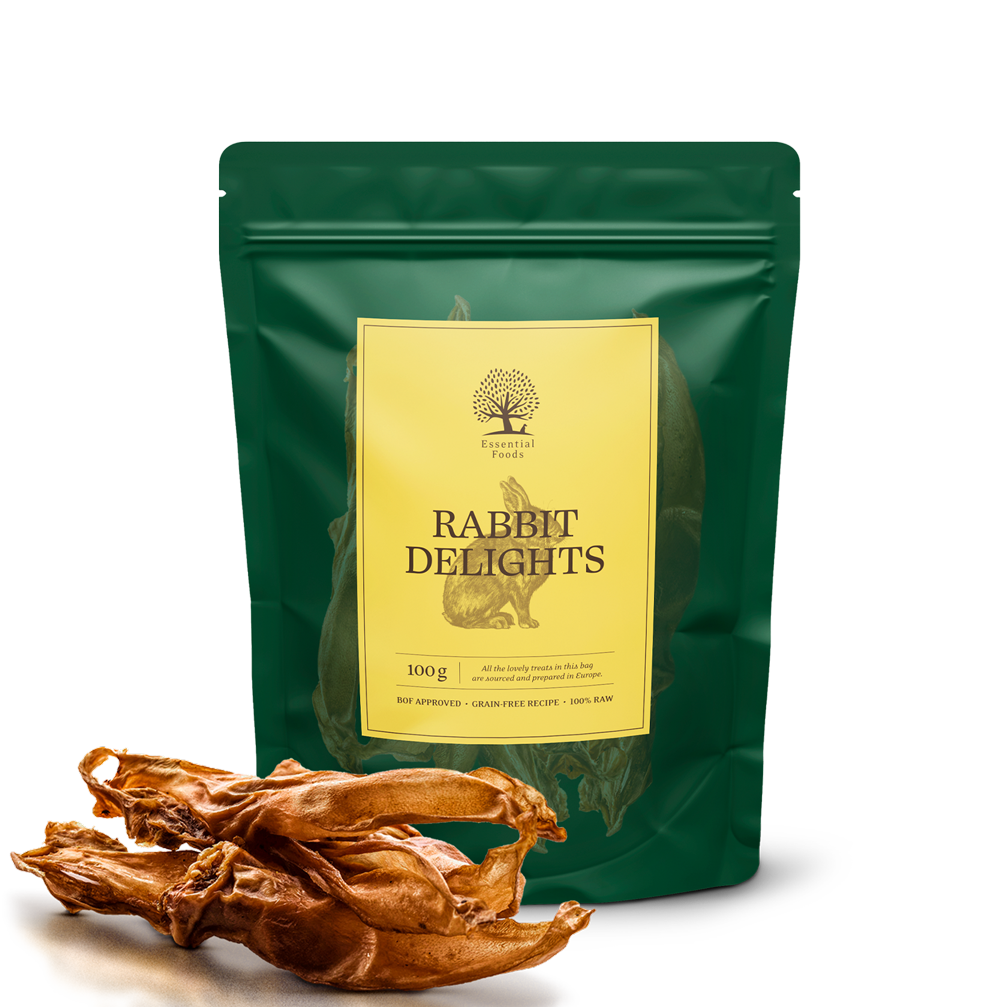
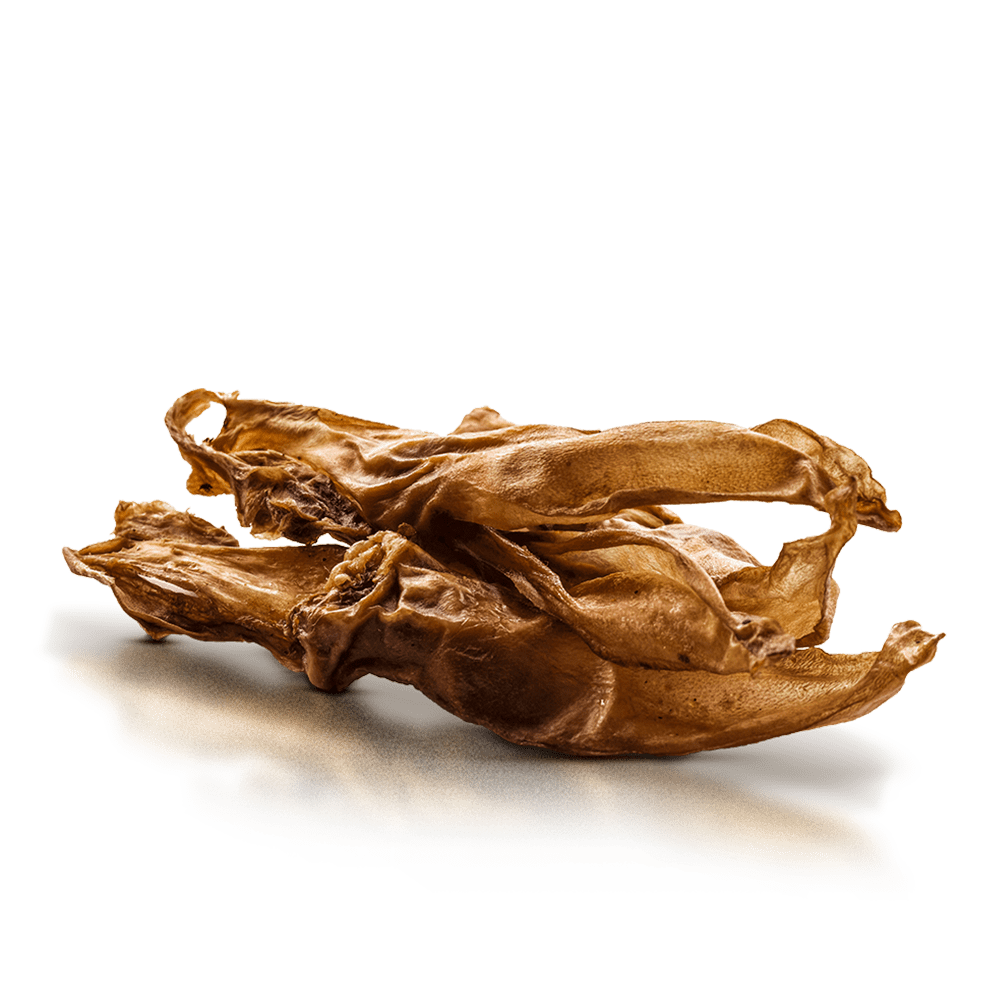
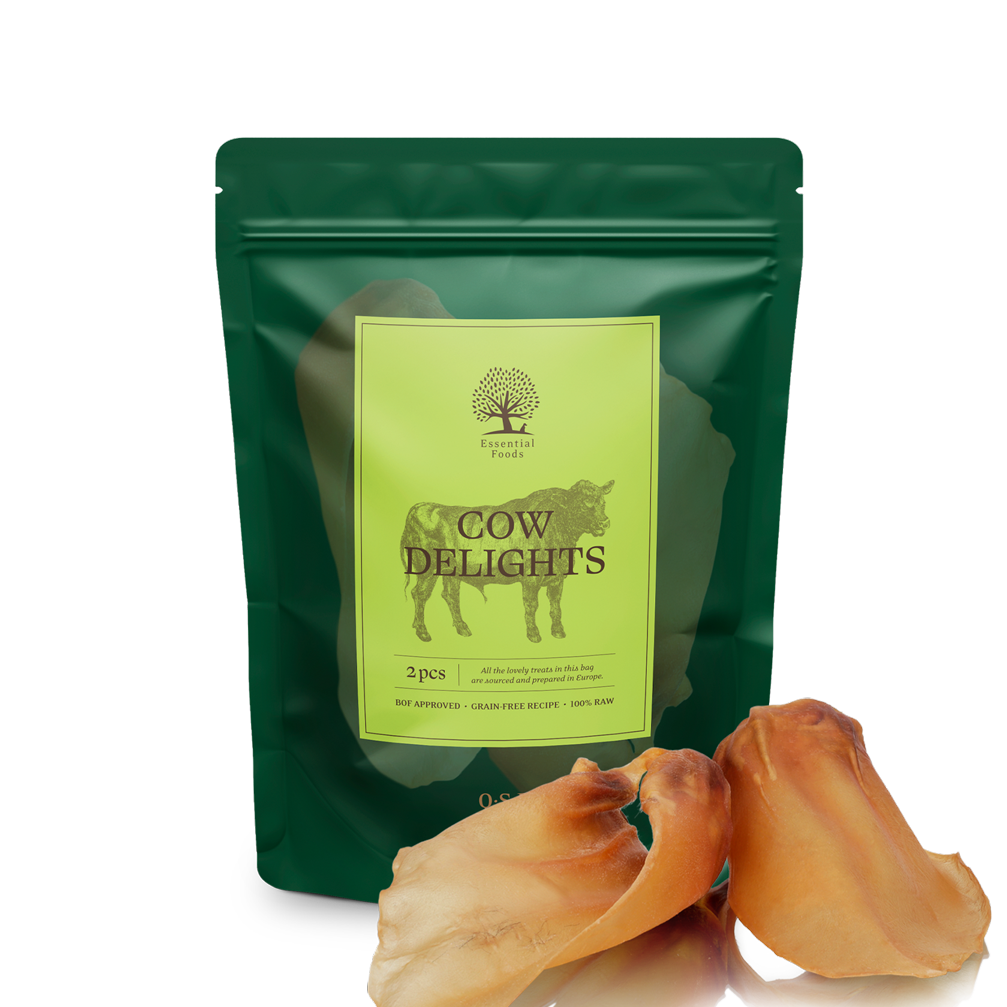
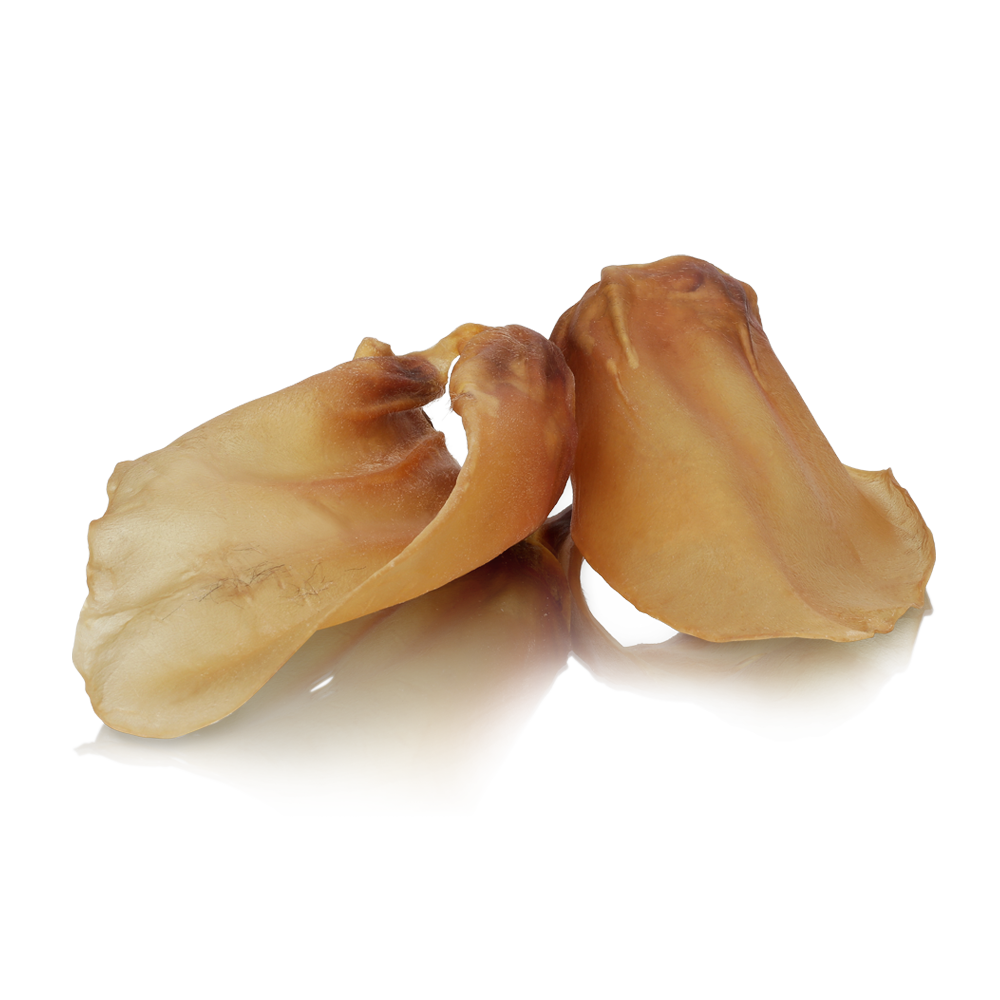
The dried meat products last longer. COW DELIGHTS is a tough beef chew for the eager chewer that needs something to bite into over time, while RABBIT DELIGHTS is a milder rabbit alternative. The longer the chewing time, the more time the teeth get to be scraped clean, so tougher items work on dental deposits longer than the crispy ones.
Choose the size according to the dog's jaw
The size should fit the dog's mouth, not the other way around. A chew that is too small risks the dog swallowing it whole or in chunks that are too big. One that is suitably large forces the dog to chew properly, and it is precisely the chewing that cleans the teeth.
For small and medium dogs, SMALL COD FISH DELIGHTS are a good fit, because the sticks are thinner and quicker to get through. For large dogs and powerful chewers, LARGE COD FISH DELIGHTS and the beef chew provide more resistance and last longer.
Regardless of size, the dog should always be supervised while it chews. Keep an eye on when a chew becomes small enough to be swallowed whole, and take the rest away from the dog at that point.
A lean choice for dogs that need to maintain their weight
Some dogs need dental care without putting on weight, and here fish is the obvious choice. Dried cod is naturally low in fat, so a fish stick puts far less strain on the daily calories than a fatty chew. This is relevant for slightly overweight dogs, for breeds prone to gaining weight, and for dogs on a controlled diet.
Remember that chews are food and count towards the day's total amount. If you give chews regularly, you should subtract a little from the meal so the dog does not get too much in total. If you want to delve into weight and portions, we have gathered the advice in the article on low-fat dog food and a guide on whether your dog has a healthy weight.
Natural ingredients without grain and sugar
The chews here consist of one main ingredient: fish or meat, dried and nothing else. There is no added grain, sugar or artificial flavourings, and that means two things for dental care. First, there is no sugar for the bacteria in the mouth to live on. Second, a simple composition is easier to keep track of for dogs that react to specific ingredients.
If your dog has known sensitivities, the ingredient is worth looking at. Fish is a good starting point for dogs that cannot tolerate beef or chicken, and rabbit is likewise a protein that few dogs have encountered before. You can read more about the approach in our overview of allergy-friendly dog food, and if you want to understand how a natural chew is put together, the article on what chews are made of will help.
How often may the dog have a chew?
For daily dental care, regular chewing works best, because plaque forms all the time. For the lean fish products, a smaller piece every day or every other day can be fine, while the fattier and more filling meat chews are suited to less frequent treats. Let your dog's weight and stool guide you: if the stool becomes loose, or the dog gains weight, you should cut back.
Chews count as treats, and the rule of thumb is that treats should make up at most around a tenth of the dog's daily energy. We go through the calculation in the article on how many treats a dog may have. If your dog is a puppy, special considerations apply regarding age and teething, which you will find in the guide on when puppies may have chews.
Occupation and dental care in the same chew
In addition to cleaning the teeth, a chew gives the dog something meaningful to do. Chewing is a natural behaviour that calms, and a dog that has spent twenty minutes working on a tough piece of cod skin is more content afterwards. This is handy when you need peace for a short while, or when the dog needs to learn to settle in a bed.
The toughest variants provide the longest occupation, so for the restless chewer the chewy fish products and the beef chew are a better choice than the crispy ones, which are quickly gone. If you want more ideas for keeping your dog active with food and chewing, we have gathered them in five brilliant enrichment ideas.